Best Practices for Dental Care
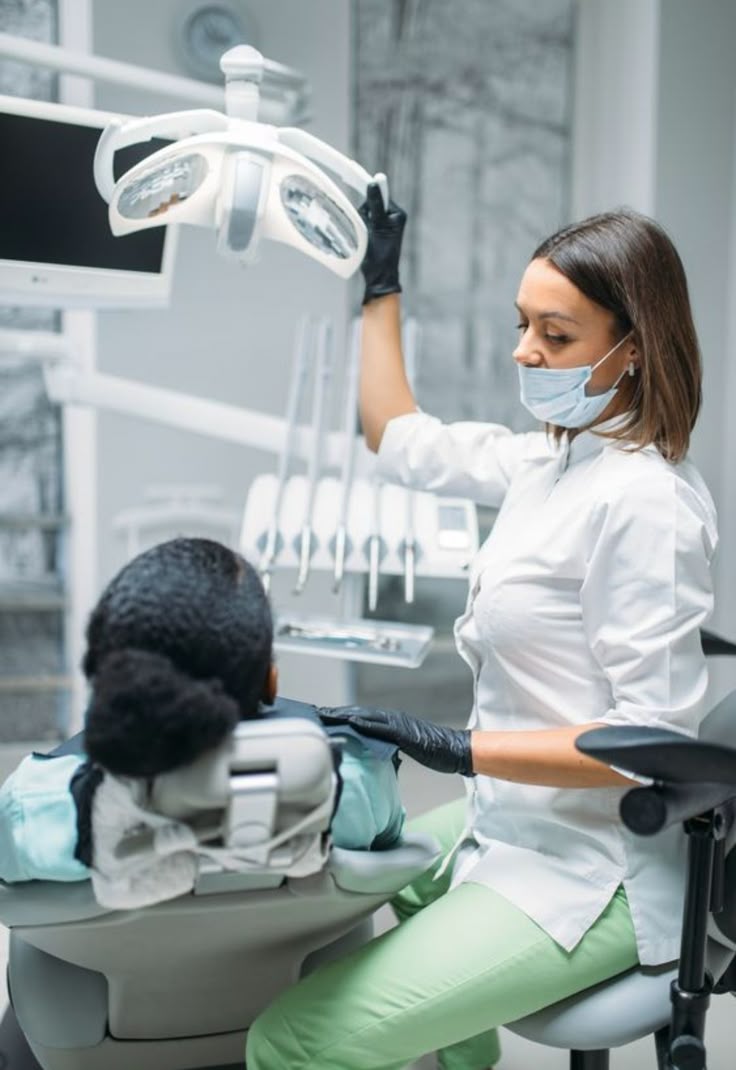
Best Practices for Dental Care:-
Best Practices for Dental Care for A healthy mouth is the foundation of a healthy body. Good dental care is not just about having white teeth — it’s about keeping your teeth strong, your gums healthy, and your smile confident. Following the best practices for dental care helps prevent cavities, gum disease, and bad breath, while also improving your overall health. Let’s explore some easy and effective ways to maintain good oral hygiene every day.
🪥 1. Brush Your Teeth Properly
Best Practices for Dental Care Brushing is the first and most important step in oral care. You should brush your teeth twice a day — once in the morning and once before bed. Use a soft-bristled toothbrush and fluoride toothpaste. Brush for at least 2 minutes, covering all sides of your teeth — front, back, and chewing surfaces.
👉 Tip: Don’t brush too hard, as it can hurt your gums and wear away enamel. Replace your toothbrush every 3 months or sooner if the bristles wear out.
🧵 2. Floss Daily
Best Practices for Dental Care Even if you brush regularly, tiny food particles can get stuck between your teeth. Flossing once a day helps remove plaque and debris that brushing alone can’t reach. It prevents cavities and reduces gum inflammation.
👉 How to do it: Gently slide the floss between your teeth, curve it around each tooth, and move it up and down carefully. Avoid forcing it to prevent gum injury.
💧 3. Rinse After Eating
Rinsing your mouth with plain water or a mild mouthwash after meals helps remove leftover food and bacteria. It also neutralizes acids that can weaken enamel.
👉 Tip: Use an alcohol-free mouthwash for a gentle clean and long-lasting freshness.
🦷 4. Use Fluoride Toothpaste
Fluoride is a mineral that strengthens enamel and helps prevent cavities. Always choose a fluoride toothpaste approved by dental experts. This small habit goes a long way in keeping your teeth healthy and strong.
🥦 5. Eat a Tooth-Friendly Diet
Your eating habits affect your dental health. A balanced diet rich in vitamins and minerals helps your teeth and gums stay strong.
✅ Eat:
Milk, cheese, and yogurt for calcium
Leafy greens for vitamins
Apples and carrots to clean teeth naturally
🚫 Avoid:
Sugary candies and sodas
Sticky foods like caramel or toffee
Frequent snacking between meals
🍬 6. Limit Sugar and Acidic Drinks
Sugar and acids are the biggest enemies of your teeth. When bacteria in your mouth combine with sugar, they form acid that causes tooth decay. Try to reduce soft drinks, fruit juices, and sweets.
👉 Tip: If you eat sugary foods, rinse or brush soon after to reduce acid damage.
🚭 7. Avoid Smoking and Tobacco
Smoking or chewing tobacco can stain teeth, damage gums, and even cause oral cancer. It also leads to bad breath and delayed healing after dental treatments. If you smoke, seek help to quit — your teeth and body will thank you.
👩⚕️ 8. Visit the Dentist Regularly
Even if your teeth look fine, regular checkups are important. Dentists can find early signs of cavities, infections, or gum problems before they become serious. Schedule a dental visit every six months for cleaning and professional care.
👉 Tip: Regular visits also help remove tartar, which brushing and flossing can’t remove.
😴 9. Don’t Skip Nighttime Brushing
Brushing before bed is essential because it removes plaque and bacteria that build up throughout the day. Sleeping without brushing allows germs to grow, leading to decay and bad breath.
🦷 10. Protect Your Teeth
If you play sports, wear a mouthguard to prevent injury. Avoid using your teeth to open bottles, bite nails, or tear packages — these habits can cause cracks or chips in your teeth.
🌿 11. Try Natural Remedies
You can also use natural ingredients for basic oral care:
Saltwater rinse – reduces swelling and kills germs
Clove oil – provides quick pain relief
Aloe vera gel – soothes sore gums
Website:-[https://naveen155.brollylabs.in/naveen1999]
These simple remedies are good for temporary care but should not replace professional treatment if problems persist.
💧 12. Stay Hydrated
Drinking water throughout the day keeps your mouth clean and moist. A dry mouth can cause bad breath and increase bacteria. Water also helps wash away food particles and strengthen enamel if it contains fluoride.
🧒 13. Teach Kids Early
Good dental habits start at home. Teach children to brush, floss, and rinse properly. Make it a fun routine by using colorful toothbrushes and flavored toothpaste. Early dental care helps kids develop strong and healthy teeth for life.
🌞 14. Replace Old Dental Products
Check your toothbrush, mouthwash, and floss regularly. Replace them if they’re worn out or expired. Using clean and fresh dental products ensures effective oral hygiene.
🌟 Final Thoughts
Following the best practices for dental care keeps your teeth strong, your gums healthy, and your smile confident. Small daily habits — like brushing, flossing, eating right, and visiting your dentist — can make a big difference.
Remember, your mouth is connected to your overall health. Healthy teeth not only improve your smile but also protect your heart, digestion, and immunity. So, start today — follow these dental care tips and enjoy a bright, healthy smile for life! 🌿 11. Try Natural Remedies
You can also use natural ingredients for basic oral care:
Saltwater rinse – reduces swelling and kills germs
Clove oil – provides quick pain relief
Aloe vera gel – soothes sore gums
These simple remedies are good for temporary care but should not replace professional treatment if problems persist.